Stinging Pest Control in Your Home
Stings are a thing of the past in your backyard.
Stinging Pest Control in My Business
GET A QUOTE (844) 243-1637
How we get rid of stinging pests around your home
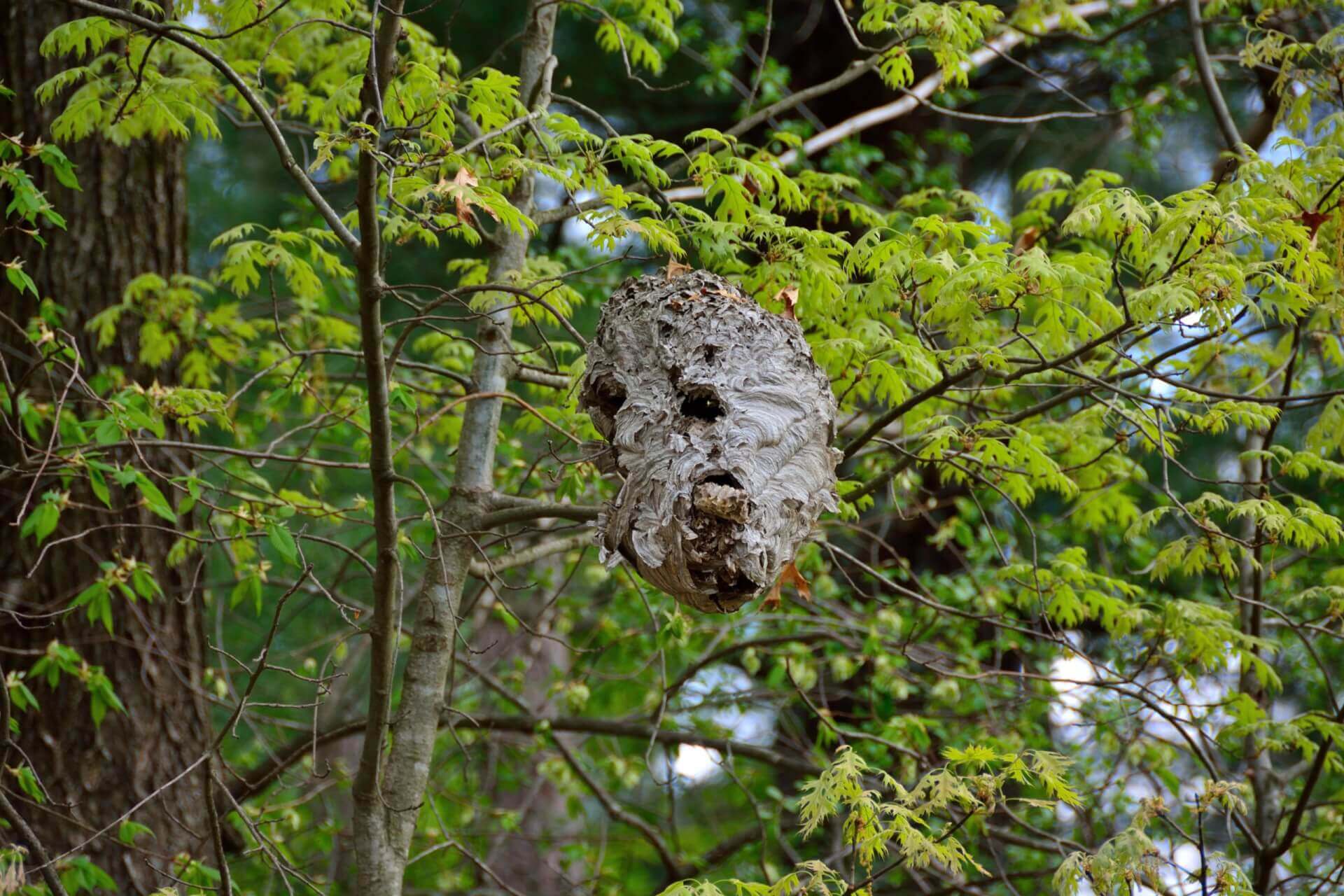
It’s important to understand the kind of stinging pest you may be dealing with. For example, you don’t want to treat or hurt honeybees in any way – and neither do we. But hornets and yellow jackets can be extremely aggressive and can make for unpleasant outdoor areas. If you have people with allergies around, they will be most interested in what type of bee or wasp is stinging them. Better to bring in a professional and just have the stinging pests dealt with before that happens. Our stinging pest treatments include individual treatments per species as well as control stations as added protection all summer long.
Western Stinging Pest Reduction Plan

Step One
Inspection
We will inspect spots where nests are known to be built depending on the stinging insect pest you are dealing with.

Step Two
Removal
We will remove the nest using professional safety precautions while you stay in your house – safely away from the stinging pests.

Step Three
Ongoing
Add on optional stinging pest control stations to deal with future fly ins and bugs that could be coming from a neighbor’s nest.
Add on Control Stations
If you have a nest that is either out of reach or on a neighbor’s property, you don’t have to just shrug your shoulders and deal with the hornets, wasps, or yellow jackets that are coming from it! We have stinging pest control stations that can offer full control for your yard. They are childproof and secure so you can confidently place them anywhere in your yard. They are filled with a product that deals with the nasty stinging pests like wasps, hornets, and yellow jackets and not beneficial insects or honeybees. Add on these control stations and keep your family and pets even safer from aggressive stinging pests around your home.
why western for stinging pest control?
We’re passionate about controlling stinging pests in your home or business because we live and work here – it’s our neighborhood, too. With our almost 100 years of experience keeping homes and businesses in Connecticut, Delaware, New Jersey, New York, and Pennsylvania safe from pests, Western has the experience you can trust.
100% Satisfaction Guarantee
24-Hour Guaranteed Response
Board Certified Entomologists


Need help with stinging pests?
GET A QUOTE

“Great service. Knowledgeable tech in Ray. Very helpful and he taught me some things about wasps while he was here…”
Mountainside, NJ