When it comes to pest sightings, your first line of defense can actually be many of your teammates! From housekeeping to facility managers to waitstaff, employees throughout your business can help identify pest activity before a small problem becomes an infestation.
Pests don’t slow down when business does. They continue to look for food, water, shelter, and comfortable temperatures – all things commercial facilities can provide. Left unnoticed, pest activity can lead to product contamination, property damage, operational disruptions, failed audits, and damage to your reputation.
The good news? Your employees don’t need to become pest control experts. They simply need to know what to look for, what conditions can attract pests, and who to contact when they spot a problem.
What Employees Can Help in Your Industry?
Your team can help with pest prevention in more ways than they may have originally thought when they took the position. By connecting pest awareness to employees’ everyday responsibilities, businesses can create a culture where everyone plays a role.
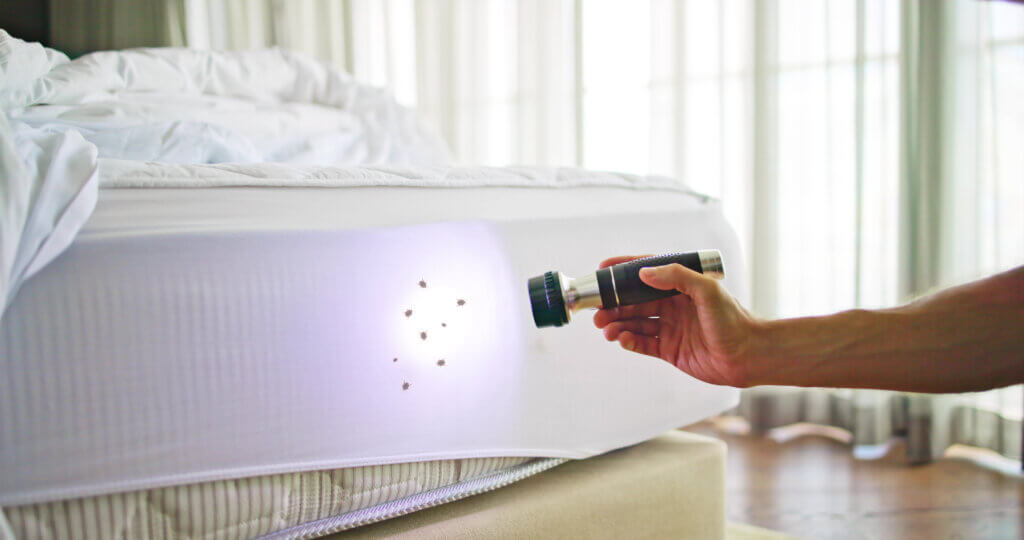
Security: If your building has security, they are not only constantly watching—they may also be moving throughout your facility. During slower periods, when it doesn’t interfere with their primary responsibilities, security personnel can check less-frequented areas with a flashlight, including basements, storage areas, kitchens, cafeterias, and other potential pest hotspots.
Cleaning Staff: Your housekeeping and cleaning teams are constantly moving through rooms and workspaces in hotels, senior living facilities, hospitals, and other businesses. Because they are already cleaning these areas, they are in a great position to spot signs of pest activity.Training them to recognize droppings, live or dead pests, damaged materials, unusual odors, or other warning signs could help identify an issue before a guest, patient, or customer does.
Restaurant Staff: If your business is a restaurant, or even just has a commercial kitchen, your bartenders, servers, cooks, and other foodservice employees work in areas that can be especially attractive to pests. Employees should be encouraged to promptly clean up food and liquid spills, avoid leaving food exposed, keep work areas clean, and report overflowing trash or dumpster issues. They can also watch for pest activity around kitchens, storage areas, loading docks, and other high-risk locations.
Maintenance: Your maintenance team goes almost everywhere. That makes them another important set of eyes for pest prevention.While performing routine work, maintenance employees can look for cracks, gaps, damaged doors, broken seals, leaks, standing water, and openings around pipes and utilities—all of which can create opportunities for pests to enter or thrive.
All Employees: Every employee visits bathrooms, kitchens, common areas, stairways, breakrooms, storage areas, and other parts of your facility. They are also walking in and out of your building and may notice pest activity outside.With the right training, any employee could be the person who spots a hornet nest forming, notices rodent droppings in a storage area, or sees an unusual insect before the problem grows.
What Pest Signs Should Employees Look For?
Pests aren’t always easy to spot. Fortunately, they often leave evidence behind.
Train employees to watch for:
- Live or dead pests
- Droppings
- Gnaw marks
- Damaged packaging or materials
- Nesting materials
- Greasy marks along walls
- Unusual odors
- Insect larvae or pupae
- Pest activity around doors, windows, equipment, or storage areas
Employees should also know what monitoring devices in your facility are designed to detect. Depending on the facility and pest risks, your pest management professional may use glue boards, sticky traps, fly lights, pheromone traps, or other monitoring tools. Unusual activity on or around these devices should be reported.
Prevention Starts with Everyday Habits
Employee awareness isn’t just about spotting pests. Employees can also help make your facility less attractive to them. Pests need food, water, and shelter to survive, so small everyday actions can make a difference. Encourage employees to:
- Clean up food and liquid spills promptly
- Store food in sealed containers
- Keep trash receptacles covered
- Avoid leaving dirty dishes or food exposed
- Report leaks and standing water
- Keep work areas clean and organized
- Report cracks, gaps, damaged doors, and other potential entry points
Small problems, such as a leaking pipe or gap around a utility line, can give pests access to a facility. Reporting these issues quickly allows them to be addressed before they contribute to a larger pest problem.
Make Pest Reporting Simple
Even the best employee training won’t help if employees don’t know what to do when they see something.
Make sure everyone knows who to contact and how to report pest activity. A simple reporting system can capture useful information such as the date and time, location, type of pest if known, number of pests observed, and any unusual conditions in the area.
Most importantly, create an environment where employees understand that reporting a pest sighting isn’t about assigning blame. Early reporting gives management and your pest management professional the opportunity to investigate and address an issue before it becomes more difficult and costly to control.
Keep Your Team Engaged
Pest awareness doesn’t have to be complicated or expensive. Short training sessions, seasonal reminders, newsletters, digital resources, and easy-to-understand pest guides can help keep employees engaged. Avoid overwhelming your team with technical information. Focus on the pests, warning signs, and prevention practices that are most relevant to their jobs.
A handy pest guide can be especially useful. Give copies to employees, post in break rooms, or make them available digitally so your team always has an easy reference for common pests and the signs they leave behind. You can download a full white paper and the pest guide from Western here.
Partner With Your Pest Control Professional
Employee education works best as part of a comprehensive Integrated Pest Management (IPM) program. Your pest management professional can help employees understand the pests most relevant to your facility, identify potential hotspots, recognize conditions that encourage pest activity, and understand how to report sightings. When employees, management, and your pest control partner work together, everyone becomes part of the solution.
Whatever pest you’re dealing with at your business – whether it’s a food processing facility, hotel, warehouse, restaurant, healthcare facility, or another commercial operation – you can bring in Western Pest Services to help. Our local experts partner with you using science-based solutions you can trust and can even help train your employees. Pests are smart. Western’s smarter.