Carpenter Ant Facts & Information
Everything you need to know about carpenter ants
What Do Carpenter Ants Look Like
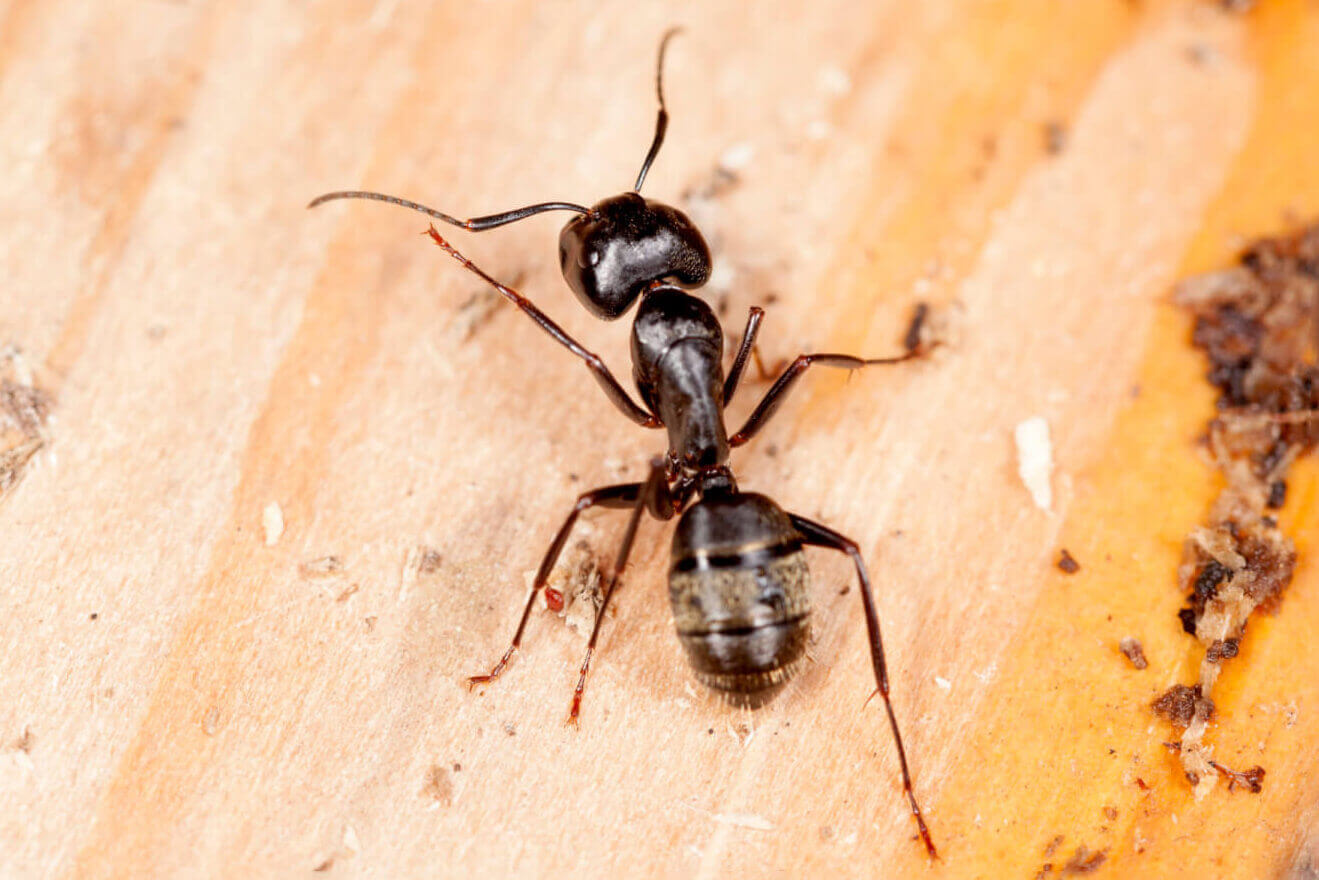
Carpenter ants range from ¼-7/16 inch long. Its thorax is evenly round, and they have a circle of hairs at the tip of the abdomen. The most significant attribute is the sawdust they leave behind as they drill holes into the wood to create nests. They live in colonies and if it gets too large, they will swarm to create a new one, which is why you will want to bring in a carpenter ant exterminator that can help control the ants.
Carpenter ants get their name from their nest building, where they will excavate the wood and form smooth tunnels inside of the wood. Carpenter ants do not eat wood, they only tunnel and chew through wood to create nests. The western black carpenter ant colony, when mature, contains about 10-20,000 workers, with large colonies of more than 50,000 individuals. There is usually only one functional, wingless queen per colony. Swarmers are not produced until the colony is more than two years old. They are produced in the previous year and held over the winter in the nest for release the following year. Swarmers appear from May until August in the eastern United States and from February through June in the west.
Not the ant you have?
Carpenter ants get their name from their nest building, where they will excavate the wood and form smooth tunnels inside of the wood. Carpenter ants do not eat wood, they only tunnel and chew through wood to create nests. The western black carpenter ant colony, when mature, contains about 10-20,000 workers, with large colonies of more than 50,000 individuals. There is usually only one functional, wingless queen per colony. Swarmers are not produced until the colony is more than two years old. They are produced in the previous year and held over the winter in the nest for release the following year. Swarmers appear from May until August in the eastern United States and from February through June in the west.
Not the ant you have?
how did i get carpenter ants
These insects usually build their nests in damp, sound, or decaying wood. Homes and businesses with moisture issues caused by leaks are prime targets for carpenter ants. The pests will also use tree branches that overhang roofs as a bridge, accessing buildings to find a way inside. Unsealed openings around utility pipes and wires are common entry points and because they are relatively small, they can get in through the tiniest of cracks. It’s probably not much you’re doing to attract carpenter ants, but there are things we can do about them for you.
what Problems do carpenter ants cause
Contrary to popular belief, carpenter ants don’t actually eat wood. That’s termites. They do damage wood to make their nests, though. Carpenter ants can only do significant damage in very large numbers and over many years. Left unchecked, though, the number of carpenter ants in a colony can grow until they expand through the wood – weakening it as they go and causing further damage. That’s why carpenter ant treatments should be done by a professional so you can get them taken care of the first time.
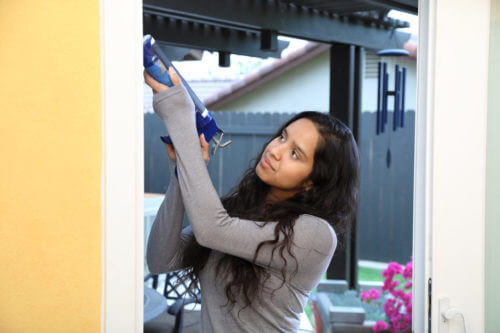
Carpenter ants require a water source to survive. To prevent brown, red, or black carpenter ants in the house, eliminate sources of moisture or standing water. Keep tree branches and other plants cut back from the house. Sometimes pests use these branches to get into your home. Make sure that there are no cracks or little openings around the bottom of doors or around windows. Seal all openings with a silicone-based caulk. Also, keep firewood and building materials stored away from the home. Carpenter ants like to build nests in stacks of wood. If all that fails, give us a call to provide you with expert carpenter ant extermination services.
how can i prevent carpenter ants
Carpenter ants prefer to attack wood softened by fungus and are often associated with moisture problems, so if you have moisture issues, that excess moisture and soft, rotting wood around the home will attract carpenter ants for sure.
The only external sign of a carpenter ant infestation other than the presence of workers and/or swarmers is the appearance of small openings on the surface of wood. Through these, the ants expel debris, which consists of sawdust-like shavings and/or fragments of insulation and insect body parts. The accumulation of this debris below the holes is a good indication of an active infestation. The gallery walls that carpenter ants create are smooth, with a sand-papered appearance. Active galleries are kept clean of debris.
The only external sign of a carpenter ant infestation other than the presence of workers and/or swarmers is the appearance of small openings on the surface of wood. Through these, the ants expel debris, which consists of sawdust-like shavings and/or fragments of insulation and insect body parts. The accumulation of this debris below the holes is a good indication of an active infestation. The gallery walls that carpenter ants create are smooth, with a sand-papered appearance. Active galleries are kept clean of debris.
Why Western for carpenter ant control
We’re passionate about controlling carpenter ants in your home because we live and work here – it’s our neighborhood, too. With our almost 100 years of experience keeping homes and businesses in Connecticut, Delaware, New Jersey, New York, and Pennsylvania safe from pests, Western has the experience you can trust.
100% Satisfaction Guarantee
24-Hour Guaranteed Response
Board Certified Entomologists

Say goodbye to carpenter ants.
GET A QUOTE

“We installed your Termite Defensive a number of years ago and have not seen even one termite since the system was installed.”
Edison, NJ